
If you’ve ever pulled out a favourite piece of jewellery only to find it dull, discoloured, or covered in a strange dark film, you already know the frustration of tarnishing. This is exactly why tarnish-resistant pieces have become such a popular choice among buyers today. But what is anti tarnish jewellery, and how is it different from regular jewellery? In this guide, House of Shivaana breaks down everything you need to know, from the meaning and materials to the real benefits of choosing these pieces for your everyday collection.
What Does the Term Actually Mean?
To put it simply, anti tarnish jewellery refers to pieces that are specially treated or coated to resist the natural discolouration that happens when metal reacts with air, moisture, and everyday elements. Regular jewellery, especially pieces made with silver or certain alloys, often develops a dark or dull layer over time due to a chemical reaction called oxidation. Tarnish-proof pieces, on the other hand, use protective coatings or advanced plating techniques to slow down or completely prevent this reaction. As a result, they stay shinier and fresher for a much longer period, even with regular wear.
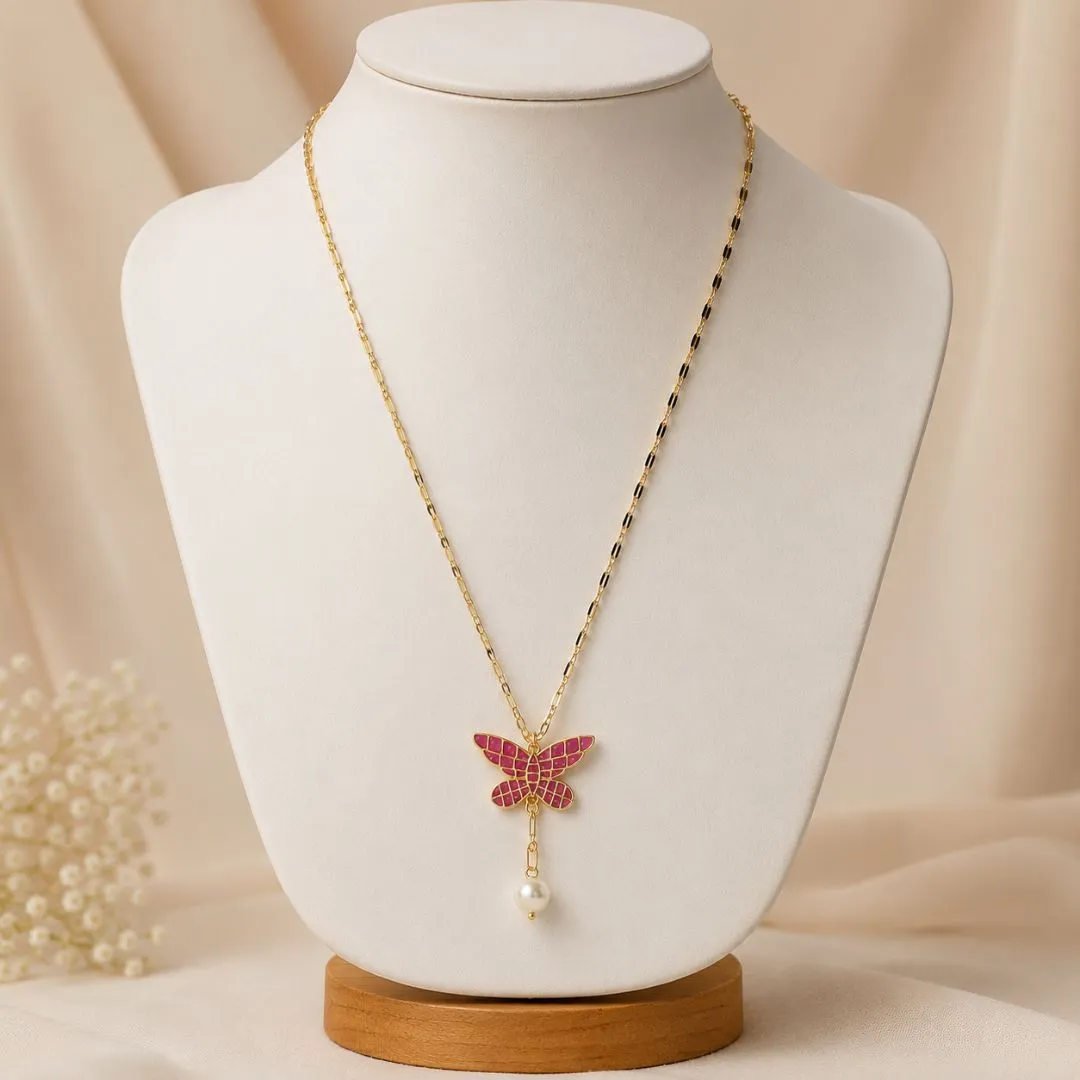
Click To Buy Anti Tarnish Jewellery from House Of Shivaana.
Why Does Jewellery Tarnish in the First Place?
Before understanding the solution, it helps to understand the actual problem. Tarnishing happens when metals like silver, copper, or brass come into contact with sulfur compounds present in the air, sweat, perfume, or even certain cosmetics. Consequently, a thin layer of silver sulfide or copper oxide forms on the surface, giving the jewellery a dull, sometimes blackish appearance. Humidity, pollution, and everyday exposure to skin oils speed up this process even further. This is a completely natural chemical reaction, but it can be frustrating when your favourite pieces lose their shine within just a few weeks of regular wear.
What Materials Go Into Tarnish-Resistant Pieces?
Understanding the materials behind such jewellery helps you make better purchasing decisions. Most tarnish-proof pieces start with a base metal, commonly sterling silver, brass, or a copper alloy, which is then treated with a protective layer. One popular method involves rhodium plating, where a thin layer of rhodium, a metal from the platinum family, is applied over the base metal to create a barrier against air and moisture. Another common technique uses a clear protective lacquer or resin coating, which seals the surface and prevents direct contact with tarnish-causing elements. Some brands also use gold plating over a durable base, combining longevity and a luxurious finish in a single piece.
The Role of Rhodium Plating
Rhodium plating deserves special mention, since it plays such a significant role in this kind of jewellery-making. Because rhodium is naturally resistant to oxidation and highly durable, it acts as an effective shield for softer metals underneath. Additionally, rhodium gives jewellery a bright, almost white-silver finish that many people find visually appealing. However, it’s worth noting that rhodium plating can wear off gradually with heavy use, so occasional re-plating helps maintain that fresh, tarnish-free appearance over the years.
For More Information on Rhodium Plating https://www.gabrielny.com/blog/what-is-rhodium-plating-in-jewelry-and-how-does-it-work/
Key Benefits of Choosing Anti Tarnish Jewellery
There are several genuine advantages to choosing anti tarnish jewellery over traditional untreated pieces. Firstly, and most obviously, these pieces retain their shine for a significantly longer time, meaning you spend less effort on constant cleaning and polishing. Secondly, they tend to be more suitable for daily wear, since the coating can handle exposure to sweat, humidity, and everyday elements without discolouring quickly. Thirdly, many such pieces are hypoallergenic, making them a safer choice for people with sensitive skin who often react to certain base metals. Finally, because they require less maintenance, they end up being more cost-effective in the long run, even if the initial price is slightly higher than regular jewellery.
Is It the Same as Real Gold or Silver?
This is a common question, and the answer depends entirely on the specific piece. This treated jewellery can be made using genuine silver or gold with a protective coating, or it can be crafted from more affordable base metals like brass or copper that are plated to mimic the appearance of precious metals. Therefore, it’s important to check the product description carefully, since the term simply refers to the tarnish-resistant treatment, not necessarily the purity of the underlying metal. Both options have their place, depending on your budget and how long you expect to wear the piece.
How to Care for Your Tarnish-Resistant Pieces
Although this jewellery requires far less maintenance than regular pieces, a little care still goes a long way in extending its life. Avoid direct contact with perfumes, lotions, and hairsprays, since these products can still affect the protective coating over time. Additionally, store your pieces in a dry, airtight pouch or box when not in use, as excess moisture can gradually wear down even the best coatings. Gently wiping each piece with a soft, dry cloth after every wear also helps remove any surface residue before it has a chance to build up.
Who Should Choose This Kind of Jewellery?
Tarnish-resistant pieces work particularly well for people who wear jewellery daily, such as those who love layering rings, bracelets, or necklaces as part of their everyday style. This option is also great for anyone who travels frequently, since humidity and climate changes often accelerate tarnishing in regular jewellery. Additionally, if you’ve struggled with skin sensitivity or allergic reactions from certain metals in the past, hypoallergenic coatings can offer a more comfortable, long-lasting alternative.
Final Thoughts from House of Shivaana
Now that you know what is anti tarnish jewellery and how it works, choosing your next piece becomes a much easier decision. Whether you’re drawn to the practicality of low-maintenance daily wear or simply want your collection to stay beautiful for longer, these options offer a smart, long-lasting solution. At House of Shivaana, we design jewellery that blends style with durability, so every piece you own continues to shine long after you first fall in love with it. So the next time you’re shopping for something new, consider going tarnish-resistant, and enjoy pieces that truly stand the test of time.
Related posts
Difference Between Kundan and Polki Jewellery: Simple Guide
Many buyers ask about the difference between kundan and polki jewellery before they shop for a wedding or festival. Both styles look royal and…

Wedding Jewellery Set for Bride: Ultimate Buying Guide
Choosing a wedding jewellery set for bride is one of the most emotional parts of wedding planning. The right set completes her look, carries…

Best Gifts For Wife: Buy Unique Jewellery Gift Ideas Online
Finding the best gifts for wife can feel tricky. You want something that shows your love, lasts for years, and matches her taste. Jewellery…
1 comment